How a child’s Holi prank in a Delhi slum colony spiralled into murder, mob fury, and a neighbourhood on the edge

New Delhi, March 10 : It was Holi. Children were on rooftops, colours were in the air, and the lanes of JJ Colony in Uttam Nagar were alive with the kind of noise that only India’s festival of colours can produce. Nobody expected the day to end with a 26-year-old man beaten to death in the street.
Tarun Kumar Butolia had spent March 4 celebrating with friends, completely unaware that a dispute had broken out near his home that afternoon. An 11-year-old girl in his family had been throwing water balloons from a rooftop terrace — aimed at relatives below — when one went astray and splashed a woman from the neighbouring family. The woman objected. Words were exchanged. Apologies were offered and refused. And then it all came apart.
By the time Tarun walked home late that night, a group of 8 to 10 men were waiting. They beat him with cricket bats, iron rods and stones. When he fell, they kept going. A large stone was thrown onto his chest as he lay on the ground. His family found out from neighbours who came knocking at the door.
When we reached the spot, he was breathing but completely unconscious, his uncle Tek Chand told reporters. I kept asking him if he was okay.
He was not okay. Tarun died in hospital the following morning, on March 5.
A Family Feud With Deep Roots
The two families — one Hindu, one Muslim — have lived in the same slum colony for over five decades. Both originally from Rajasthan, they had shared the same cramped streets since the late 1960s. Long familiarity had not bred goodwill. According to Tarun’s family, this was not the first violent clash between the two households. A similar confrontation had reportedly taken place roughly 12 years ago.
What made this Holi different was how fast things moved, and how badly they ended.
When the woman splashed by the balloon gathered her family members and returned to confront Tarun’s family, a scuffle broke out that left four people injured. Police arrived, made arrests, and registered a case. On paper, the matter was contained. In reality, the night was just beginning.
Tarun’s family says he had no idea any of this had happened. He came back from celebrating with his friends, turned into his street, and walked into an ambush.
The Aftermath: Fire, Fury, and Bulldozers
Word of Tarun’s death spread quickly through Uttam Nagar. Grief turned into anger, and anger turned into chaos. Protesters blocked roads outside the Uttam Nagar Police Station and the nearby metro station. Vehicles parked in the area were set on fire. Members of Bajrang Dal and Vishwa Hindu Parishad arrived, chanting slogans, demanding arrests. Some in the crowd tried to storm the home of the accused family before police pushed them back.
Delhi Police, the CRPF, and the Rapid Action Force moved in to lock down the colony. Drones were deployed overhead to monitor the crowd. Shop owners were asked to pull down their shutters.
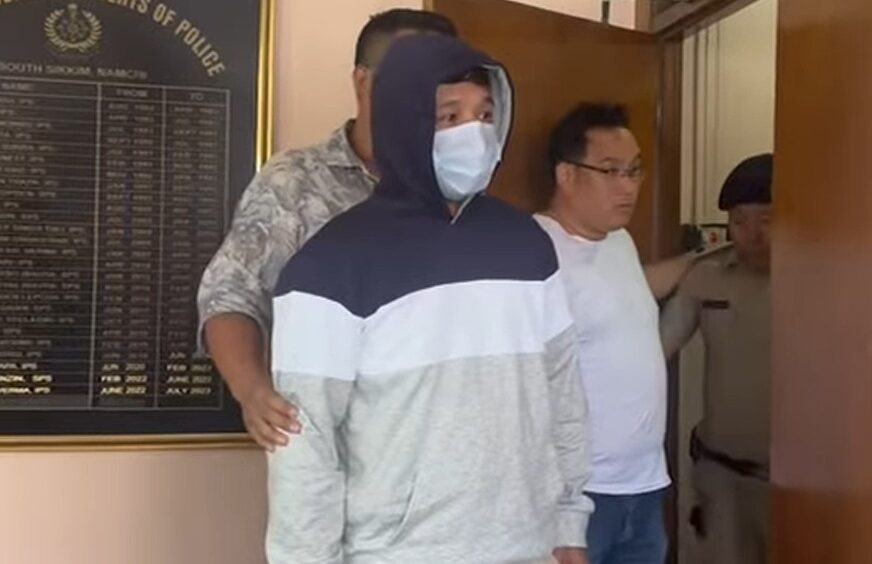
Eight men have since been arrested — Umardeen (49), Jummadeen (36), Kamruddin (36), Mustaque (46), Muzzafar (25), Tahir (18), and Imran alias Bunty (38) — along with a minor. Murder charges were filed, along with provisions of the SC/ST (Prevention of Atrocities) Act.
Then came the bulldozers. On March 8, the Municipal Corporation of Delhi demolished what it described as illegal portions of a house linked to one of the accused. Officials insisted it was a routine anti-encroachment drive targeting structures built over drainage channels — nothing to do with the case. Few in the neighbourhood believed that.
Delhi Chief Minister Rekha Gupta called the murder heartbreaking, reprehensible and shocking. BJP ministers visited Tarun’s family and promised justice. West Delhi MP Kamaljit Sehrawat told reporters it was shameful that a child’s accidental throw had led to a young man’s death.
The Man They Killed
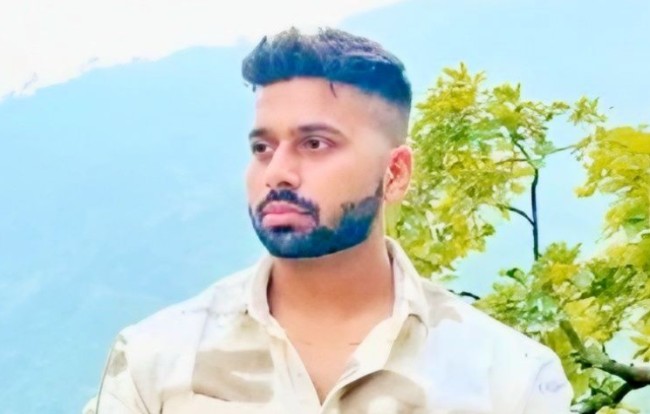
Tarun Kumar was studying digital marketing. He helped his father — a painter — with part-time work whenever he could. His family describes him as well-built, well-liked, someone the neighbourhood knew. His uncle’s question, asked quietly to reporters, cuts to the heart of everything: What did Tarun do?
His father, still in shock days after burying his son, put it even more plainly: He was our only support.
A City Watching Closely
As of March 8, heavy security remains deployed across JJ Colony. Police are combing through CCTV footage and recording statements from witnesses. Investigators have appealed to residents to keep calm and ignore rumours circulating on social media and in the lanes.
The investigation is ongoing. The neighbourhood is quiet — but it is the kind of quiet that feels held in place by force rather than peace.
What started with a child’s water balloon on a festival morning ended with a family destroyed, a community fractured, and a city reminded, once again, of how quickly old tensions can find a new spark.