Major push across infrastructure, healthcare, education, and tourism as Sikkim marks 50 years of statehood
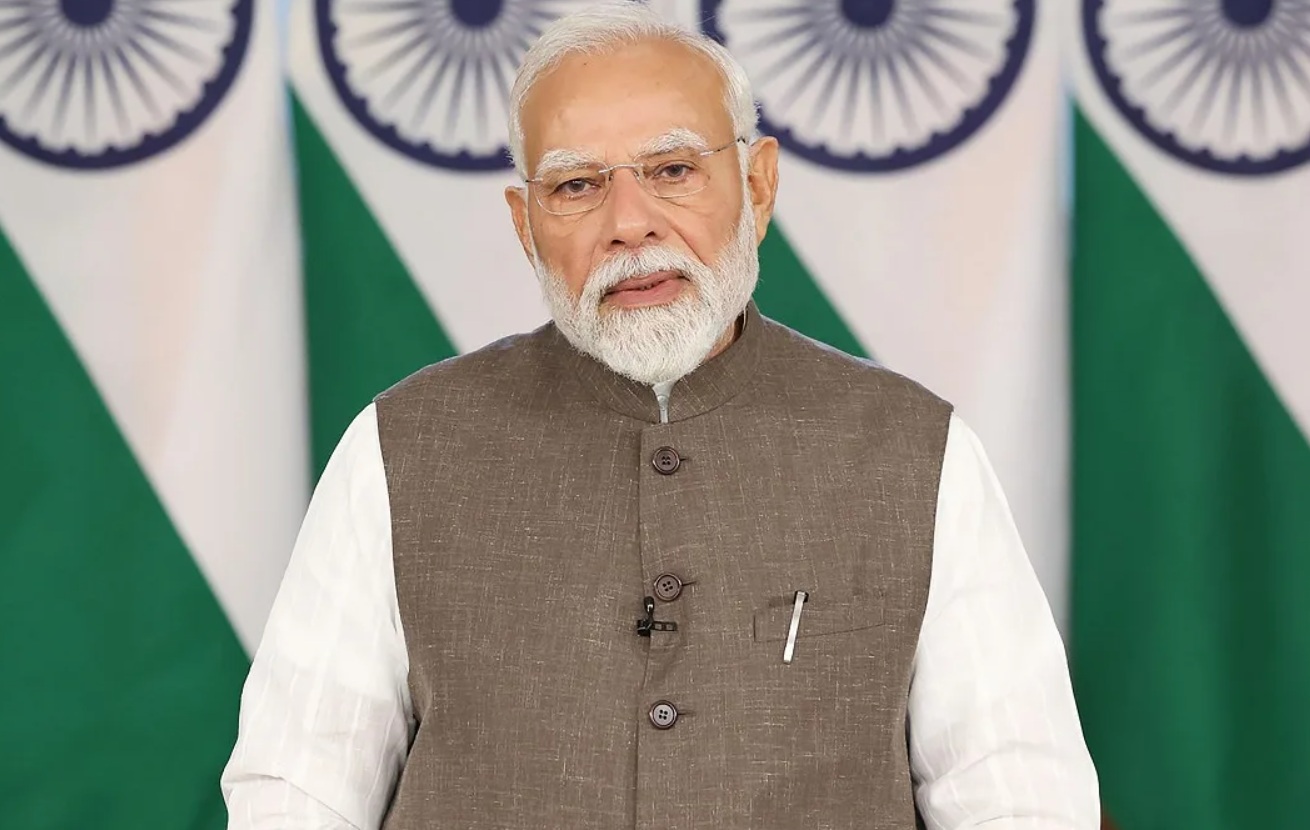
Gangtok, April 26: Prime Minister Narendra Modi is set to visit Sikkim on April 27–28 to take part in the concluding events of the state’s 50th year of statehood celebrations, with a packed schedule that includes the launch and foundation of development projects exceeding ₹4,000 crore.

Arriving in Gangtok on the afternoon of April 27, the Prime Minister will begin his engagements the following morning with a visit to the Orchidarium, where a newly developed Orchid Experience Centre highlights Sikkim’s rich biodiversity and floral heritage.
The main event will take place at Paljor Stadium, where the Prime Minister will join the closing ceremony of the state’s golden jubilee celebrations. During the ceremony, he is expected to unveil, inaugurate, and lay the groundwork for a broad portfolio of initiatives aimed at accelerating inclusive growth across the Himalayan state.
The planned projects span critical sectors such as connectivity, healthcare, education, power supply, urban infrastructure, tourism, agriculture, and environmental conservation. Officials say the multi-sector push is designed to strengthen long-term development while addressing local needs.
In healthcare, new investments will expand access to both modern and traditional systems of medicine. A 100-bed Ayurveda hospital is slated for Yangang, while an integrated Sowa Rigpa facility at NIT Deorali will be inaugurated, reflecting a focus on alternative healing systems alongside conventional care.
The education sector will also see significant upgrades. Several institutions—including the permanent campus of Sikkim University, a medical college in Socheygang, and new professional and degree colleges—will be formally opened. Additionally, digital infrastructure upgrades across 160 schools aim to modernize classroom learning throughout the state.
Connectivity improvements are a key component of the development package. Two major steel arch bridges over the Teesta River are planned to improve links between districts, along with upgrades to a crucial roadway connecting Birdhang and Namchi. These projects are expected to reduce travel time and support economic activity.
Urban development initiatives include new administrative buildings, housing projects for economically weaker sections and government personnel, and public utility infrastructure in Gangtok. Environmental measures, such as sewerage system upgrades and river pollution control projects, are also part of the agenda, reflecting growing emphasis on sustainable urban management.
Tourism and pilgrimage infrastructure will receive a boost through redevelopment projects in Gangtok and new facilities linked to the Kailash Mansarovar route. Eco-tourism initiatives and a proposed pilgrimage complex are expected to enhance visitor experience while promoting environmentally responsible tourism.
In the agriculture sector, the inauguration of a processing plant is expected to strengthen value chains and improve income opportunities for farmers. Sports infrastructure will also be expanded with the launch of an indoor cricket facility aimed at encouraging youth participation.
The visit is being viewed as a significant moment in Sikkim’s development journey, coinciding with its 50-year milestone as a state. It also underscores the Centre’s continued focus on infrastructure expansion and sustainable growth in the northeastern region.