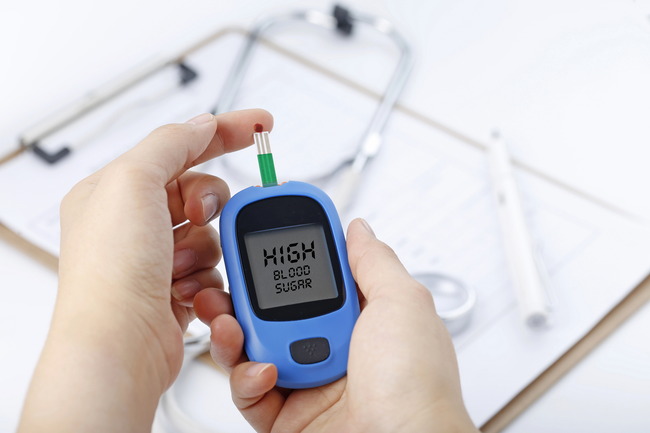

With the prevalence of junk food and sugary drinks skyrocketing, diabetes has become a global health crisis. According to alarming new data from the World Health Organization (WHO), the number of people living with diabetes has nearly quadrupled—surging from 200 million in 1990 to 830 million in 2022.
While cutting sugar and watching your carbohydrate intake are the cornerstones of management, they aren’t the only tools in your kit. Research shows that your daily lifestyle choices—from how you sleep to how you handle stress—play a massive role in glucose regulation.
We spoke to Clinical Nutritionist Kanikka to uncover seven everyday habits, beyond just dieting, that can help keep your blood sugar numbers in the green.
1. Prioritize Quality Sleep
You might think your body is inactive while you sleep, but your hormones are hard at work. Inadequate sleep spikes cortisol and growth hormones, which work against insulin. This triggers hepatic gluconeogenesis, a process where your liver produces glucose even when you don’t need it.
The Risk: Chronic sleep loss messes with appetite hormones, leading to overeating and impaired fasting glucose over time.
2. Stay Hydrated
Water is the unsung hero of diabetes management. When you are dehydrated, your plasma volume drops, meaning the glucose in your blood becomes more concentrated.
Expert Insight: “Dehydration raises vasopressin, a hormone linked to increased liver glucose production,” explains Kanikka. Even mild dehydration (losing just 2% of water weight) can cause blood sugar readings to creep upward.
3. Break Up Sedentary Time
Your muscles are glucose sponges, but they need to be activated. Physical inactivity reduces the activity of GLUT4 transporters, which are responsible for pulling sugar out of your blood and into your muscles.
The Fix: You don’t need to run a marathon. Breaking up long periods of sitting with brief movements boosts glucose clearance significantly.
4. Monitor Caffeine Intake
While a morning cup of coffee is generally fine, excess caffeine can be a trigger for some. High doses stimulate adrenaline, initiating an “emergency energy” response that pushes stored glucose into the bloodstream.
Note: If you are sensitive to caffeine, excess intake can acutely elevate your post-drink sugar readings.
5. Manage Your Stress
Whether it is physical or psychological, stress activates the body’s “fight or flight” mode. This floods your system with cortisol and adrenaline.
The Connection: These hormones signal your liver to dump glucose into the blood for energy while simultaneously reducing insulin’s effectiveness. Chronic stress leads to stubborn, subtly elevated blood sugar levels.
6. Don’t Skip Breakfast
Intermittent fasting works for some, but skipping breakfast can backfire for blood sugar control. Prolonged morning fasting can cause a sharper insulin spike when you finally do eat.
Why it matters: Skipping the morning meal keeps liver glucose output high and raises hunger hormones like ghrelin, increasing the risk of overeating later in the day.
7. Ditch the Nicotine
If you needed another reason to quit, here it is: Nicotine stimulates the adrenal medulla to release adrenaline.
The Impact: “These hormones promote glucose release from the liver and can acutely decrease insulin sensitivity,” says Kanikka. Over time, this leads to a higher baseline for blood sugar and increased metabolic stress.