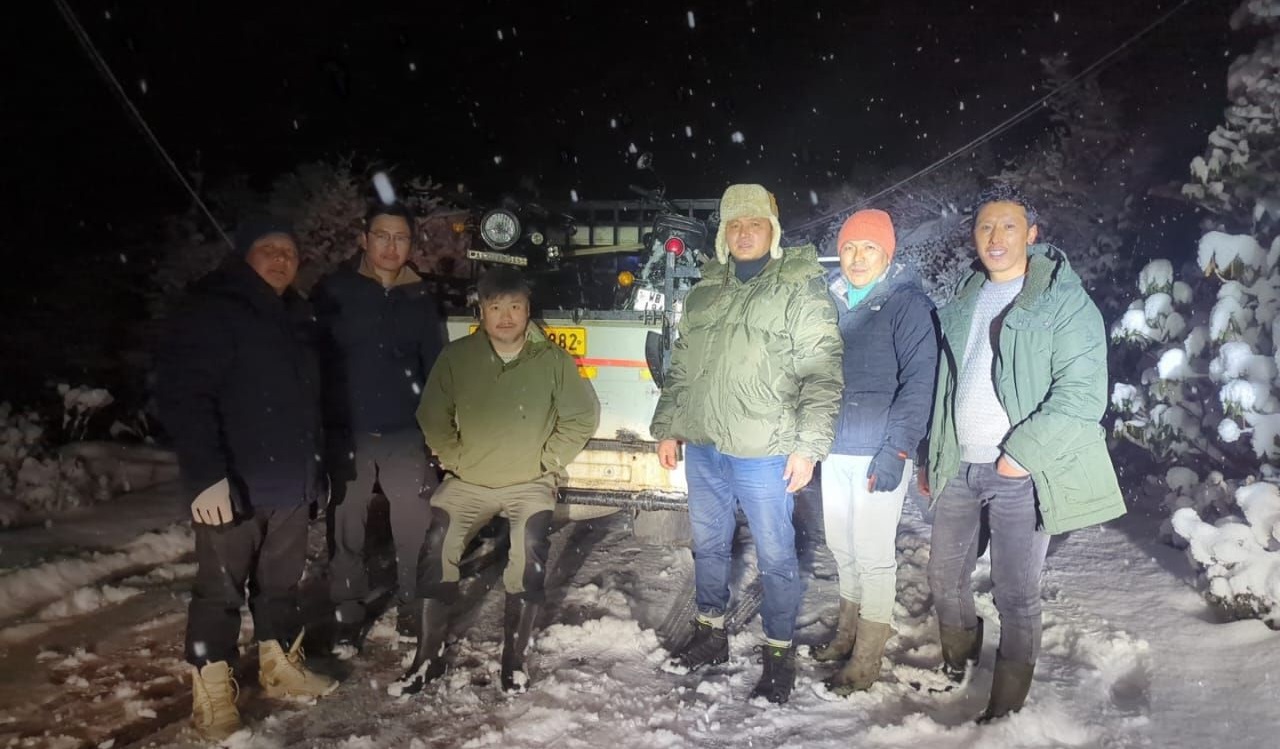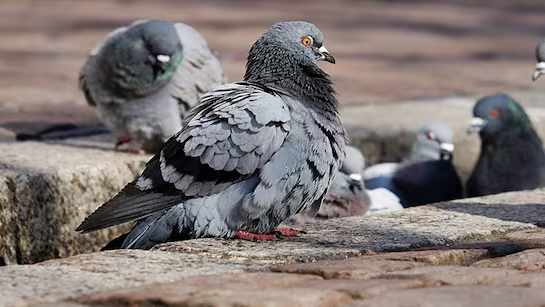
Namchi, 17 Jan : A sudden wave of mysterious pigeon deaths in the Namchi Bazaar area of South Sikkim has sparked fear among local residents, prompting an immediate intervention by the Animal Husbandry & Veterinary Services (AHVS) Department. Following reports of mass mortality over the last few days, a special veterinary team conducted an urgent field investigation today to contain the situation.
Grim Findings on Ground
Upon inspecting the affected locations, the veterinary team discovered pigeons exhibiting severe and distressing symptoms. According to the official press release, sick birds were found suffering from torticollis (a condition causing neck twisting and circling), ruffled feathers, shivering, and greenish diarrhea.
Veterinary experts note that while these symptoms strongly resemble Newcastle Disease (Ranikhet)—a common winter ailment in birds—the department is maintaining high alert due to sporadic outbreaks of Avian Influenza (Bird Flu) currently reported across India. Authorities are investigating whether the deaths are caused by the seasonal Newcastle virus or the more dangerous H5N1 strain.
Immediate Official Action
To confirm the cause of death, biological samples from the carcasses have been collected and dispatched to the State Animal Disease Diagnostic Laboratory (SADDL) in Gangtok for urgent testing. In the meantime, the department has launched a massive disinfection drive across Namchi Bazaar and distributed necessary medicines to prevent further spread.
Public Advisory: Do Not Touch Dead Birds
While awaiting laboratory results, the department has issued a strict safety advisory for the public:
1. Avoid Contact: Do not touch dead or sick pigeons found on roads or rooftops with bare hands, as the virus could potentially transmit to humans.
2. Proper Disposal: Do not throw dead birds into rivers, drains, or garbage dumps. They must be disposed of via deep burial in a pit covered with lime powder (chuna) and soil.
3. Wear Masks: Residents are advised to wear masks when near areas with pigeon population, as dust from dried droppings and feathers can cause respiratory infections.
The AHVS Department has appealed to the public to remain calm but vigilant, stating that the situation is currently under control and further updates will be provided once the lab reports are released.