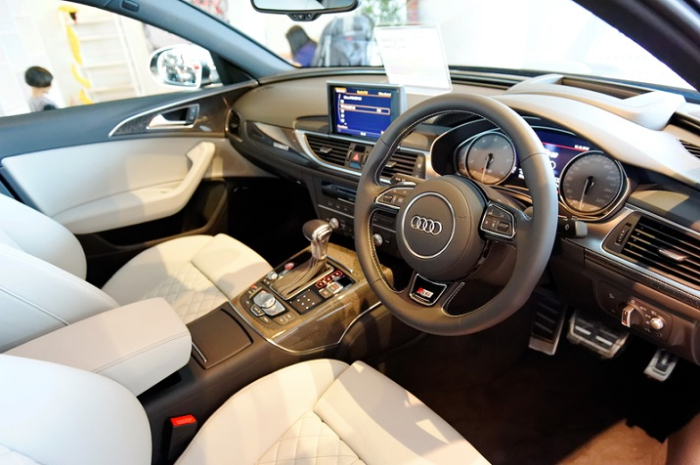

Have you ever wondered why most cars in India have the steering wheel on the right side? The answer lies in history, safety, and road rules.
India drives on the left side of the road. In this setup, having the driver’s seat on the right gives a better view of oncoming traffic. It also makes overtaking safer and easier. This position helps drivers judge distances more accurately and reduces blind spots when passing other vehicles.
This tradition dates back to British colonial rule. During that time, the British set up road rules similar to those in the United Kingdom, where driving is on the left. Even after India gained independence in 1947, the traffic pattern remained the same. As a result, vehicles were made with the steering wheel on the right to fit the existing road conditions.
Today, India is one of about 75 countries that drive on the left, including Japan, Australia, and the United Kingdom. In these places, right-hand-drive cars are common because they fit better with traffic flow and safety needs.
Indian traffic laws support this setup. The Motor Vehicles Act requires right-hand-drive vehicles for public roads to ensure consistency and improve safety standards.
In summary, the right-side steering system in India is not a coincidence. It stems from historical influence, practical safety needs, and established laws that continue to shape the country’s transportation system.