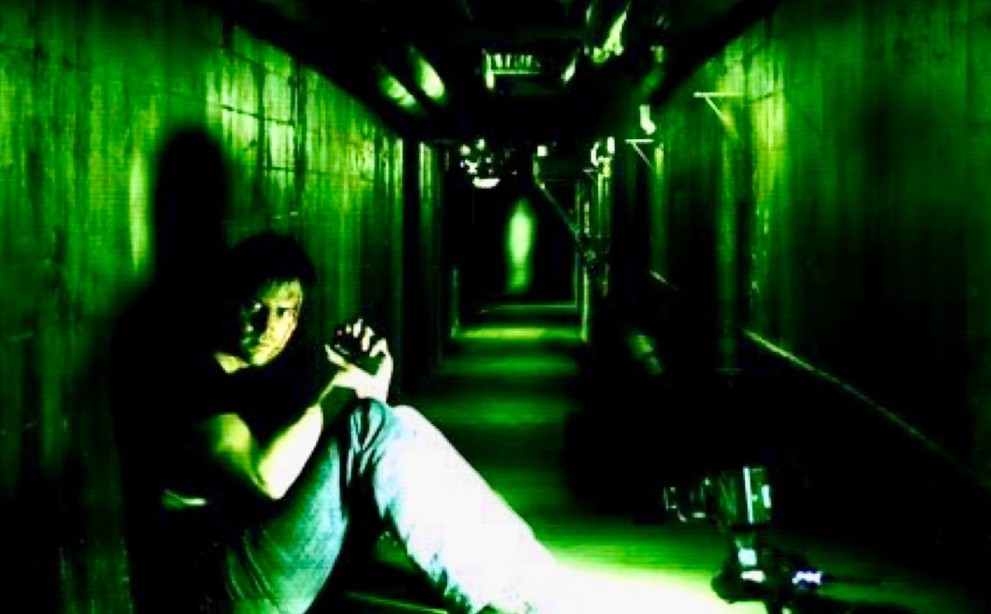

Ghosts have fascinated humans for centuries. Stories of spirits lingering in old houses, eerie sounds at night, or shadowy figures in graveyards have long captured the human imagination. Despite these widespread beliefs and cultural traditions, modern science finds no credible evidence to support the existence of ghosts. Scientists instead rely on psychology, physics, and environmental science to explain experiences that are often mistaken for paranormal activity.
No Measurable or Repeatable Evidence
For any phenomenon to be accepted by science, it must be observable, measurable, and repeatable under controlled conditions. Despite decades of ghost stories, paranormal investigations, and the use of specialized equipment, no study has produced reliable or verifiable proof of ghosts. Devices such as cameras, electromagnetic field detectors, and audio recorders have failed to provide evidence that can withstand rigorous scientific testing.
Psychology Explains Most Experiences
Many reported ghost sightings can be explained by how the human brain processes unfamiliar or ambiguous stimuli. Sleep paralysis, a condition where a person wakes up unable to move, often causes vivid and frightening hallucinations. Expectation and suggestion also play a major role; people are more likely to interpret ordinary sounds or shadows as supernatural if they believe a place is haunted. Prior beliefs, emotional states, fear, and stress further influence perception, making human experiences unreliable in dark or unfamiliar environments.
Scientific Laws Contradict Ghost Concepts
From a physics perspective, the concept of ghosts does not align with known scientific laws. Ghosts are often described as energy or spirit forms, but energy without matter would rapidly dissipate according to the laws of thermodynamics, leaving no lasting or detectable trace. Additionally, if ghosts interacted with the physical world, those interactions would produce measurable effects, which have never been observed in controlled scientific experiments.
Environmental Factors Create Illusions
Many so-called paranormal experiences can be traced to natural environmental factors. Electromagnetic fields can subtly affect brain activity, leading to unusual sensations or perceptions. Low-frequency sounds, known as infrasound, can cause unease, anxiety, and even visual disturbances. Old buildings, with their structural noises, drafts, and unfamiliar layouts, can intensify these effects, creating an atmosphere that feels eerie without any supernatural cause.
Belief, Culture, and Human Nature
Belief in ghosts is deeply rooted in culture and human psychology. Societies around the world have long traditions involving spirits, the afterlife, and supernatural beings. These cultural narratives help people make sense of unexplained events and emotional experiences. Over time, such beliefs are reinforced through storytelling, media, and shared social experiences, even in the absence of scientific evidence.
Conclusion
While ghost stories remain popular and entertaining, science relies on evidence rather than belief. So far, no credible proof of ghosts has emerged that meets scientific standards. Experiences commonly described as hauntings are better explained by psychological factors, environmental influences, and cultural conditioning. For now, ghosts remain part of folklore and human imagination rather than established scientific reality.