
Walk through the rural farmlands of West Africa, the hillside villages of Nepal, Sikkim in India or the sun-drenched lowlands of Indonesia, and you will almost certainly encounter it — a sprawling, fast-growing shrub that farmers uproot with frustration and discard without a second thought. Known across cultures by many names — Siam weed, bitter bush, Jack in the Bush, Akintola leaf, Banmara in Nepali — Chromolaena odorata has long worn the label of an agricultural pest. Yet science is now confirming what indigenous healers have quietly known for generations: this dismissed plant is, in fact, a sophisticated natural pharmacy.
A Global Traveler with Deep Roots
Chromolaena odorata did not originate in the tropics where it now dominates. Native to Central and South America, it was first introduced to Southeast Asia in the 1920s and to Africa around 1940, initially as a plantation cover crop, before spreading widely across tropical and subtropical regions. Today, it grows abundantly across Asia and sub-Saharan Africa, where communities have long used it to manage conditions ranging from diabetes and malaria to wounds, inflammation, and fever.
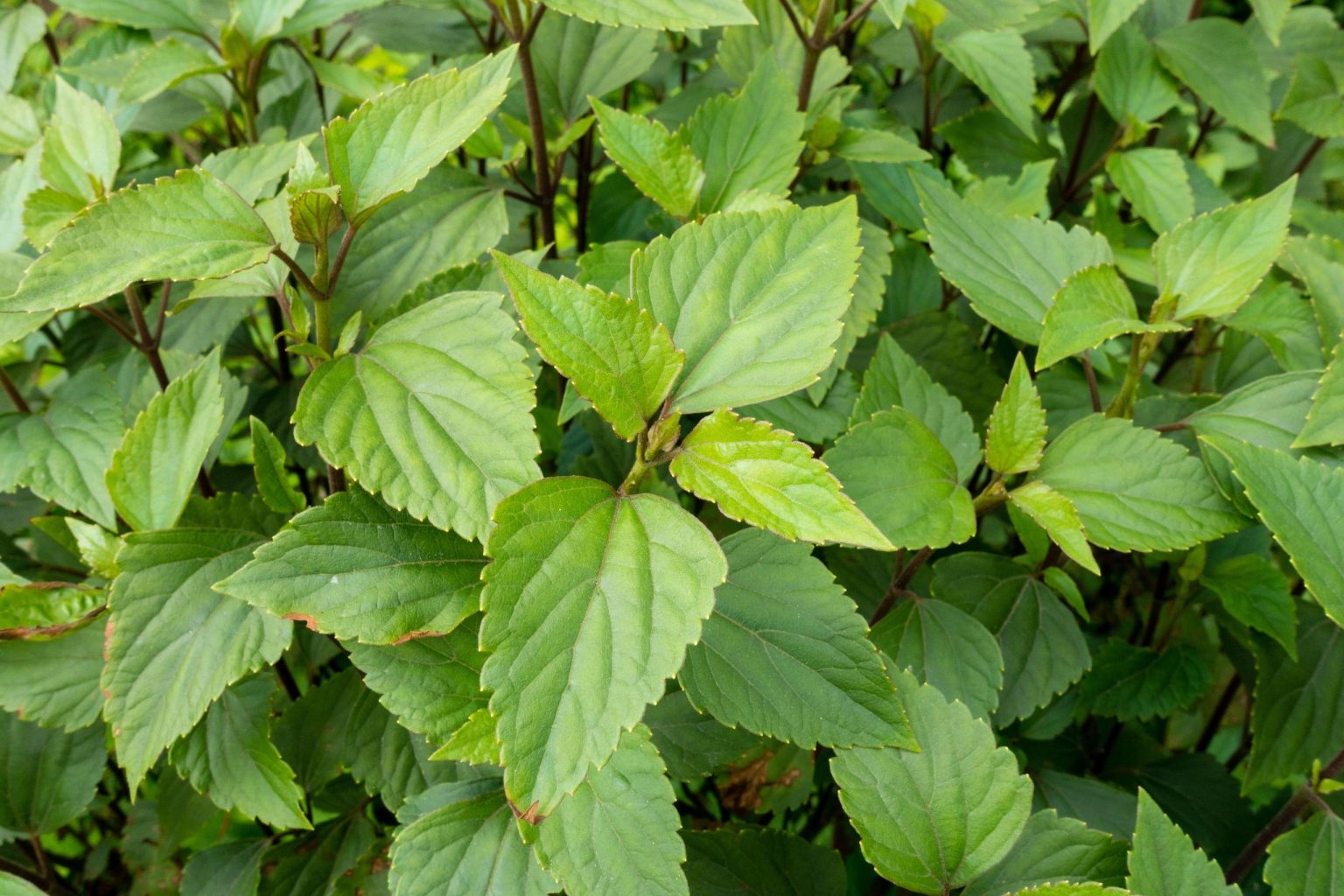
A diffuse and scrambling perennial shrub, it can reach heights of 3 to 7 meters in open terrain, thriving across most soil types and establishing itself with particular aggression on wasteland and roadsides — which is precisely why farmers find it so troublesome. Yet this resilience, this relentless drive to grow and survive, may be the very quality that encodes its healing strength.
The Chemistry Behind the Cure
What makes Chromolaena odorata medically compelling is not folklore — it is biochemistry. Its phytochemical profile includes alkaloids, flavonoids, flavanones, essential oils, phenolics, saponins, tannins, and terpenoids. Among its most therapeutically significant constituents are Eupolin, chromomoric acid, quercetagetin, and quercetin.
A comprehensive literature survey drawing on Google Scholar, PubMed, and Web of Science identified a total of 273 distinct phytocompounds across different chemical classes in this plant — a number that underscores just how chemically complex and therapeutically rich this overlooked species truly is.
Research has shown that methanolic extracts yield the highest concentrations of bioactive compounds, including total phenolic content recorded at 117.82 mg GAE per gram of extract, alongside substantial levels of flavonoids, tannins, vitamin C, and saponins — each carrying measurable biological significance.
Inflammation, Infection, and the Immune Response
Chromolaena odorata has been studied as a potential anti-inflammatory agent under both in vitro and in vivo conditions. Inflammation, while a necessary defense response, becomes destructive when prolonged — contributing to cardiovascular disease, cancer, and autoimmune disorders. The plant’s flavonoids and phenolic acids appear to interrupt this cycle at a biochemical level by targeting the chemical mediators that sustain harmful inflammatory cascades.
On the antimicrobial front, the results are equally striking. A 2025 scientific study evaluated ethanolic extracts of C. odorata against four pathogenic bacteria — Salmonella spp., Klebsiella spp., Escherichia coli, and Staphylococcus aureus — comparing their efficacy against ten commercial antibiotics, including ciprofloxacin and gentamycin. In an era where antimicrobial resistance is a growing global crisis, the plant’s demonstrated antibacterial activity opens a compelling conversation about natural complementary treatments.
Wound Healing: The Most Documented Benefit
Of all the therapeutic properties attributed to C. odorata, wound healing carries the most robust body of scientific evidence. It is well established that the plant enhances the proliferation of dermal fibroblasts, endothelial cells, and epidermal keratinocytes — the very cell types central to wound repair.
Mechanistically, research confirms that its extracts reduce bleeding and clotting time, suppress inflammatory mediators that would otherwise destroy healthy tissue, exhibit antibacterial action against both Gram-positive and Gram-negative bacteria to minimize wound infection, and deliver antioxidant compounds that accelerate cellular recovery. This multi-pathway approach to healing is precisely the kind of broad-spectrum action that pharmaceutical researchers find most promising in natural compounds.
Managing Diabetes: Early Evidence, Real Promise
Although C. odorata has long been used in traditional Indian medicine to manage diabetes, it was not until 2013 that the first experimental evidence for its antidiabetic activity was formally reported. That research demonstrated that the plant’s ethanolic extract improved insulin secretion from pancreatic beta cells, restored normal blood glucose conditions, and mitigated oxidative stress in diabetic test subjects.
More recently, computational pharmacology research identified two phyto-constituents — quercetin and ombuin — as notably effective inhibitors of human pancreatic alpha-amylase, an enzyme central to carbohydrate digestion and blood sugar regulation. When compared to acarbose, a standard anti-diabetic drug, both compounds demonstrated superior results and were identified as promising therapeutic candidates for diabetes management.
Cancer Research: Cautious but Compelling
Studies have confirmed that C. odorata extract contains sinensetin, a compound found to be moderately cytotoxic to breast cancer cells. Importantly, when combined with the chemotherapy agent doxorubicin, it exhibited a strong synergistic effect — meaning the combination was significantly more effective than either agent alone. The cytotoxic effects also persisted for up to 48 hours after the extract was removed from the medium, indicating a sustained tumor-suppression potential.
Peer-reviewed reviews have additionally documented anticancer, hepatoprotective, antihypertensive, anti-ulcer, and antispasmodic properties — though researchers consistently note that while the in vitro results are encouraging, deeper clinical investigation into mechanisms of action is still needed.
The Paradox of the Invasive Healer
Here lies the central irony of Chromolaena odorata: the very characteristics that make it an agricultural menace — its aggressive spread, its resistance to harsh conditions, its ability to outcompete other vegetation — are biological expressions of the same chemical resilience that gives it healing properties. The plant produces potent compounds in part as a defense mechanism against environmental stress and competing organisms.
Researchers note that differences in phytochemical constituents of C. odorata are caused by variations in ecological conditions, which may affect its biological activity — making further research essential to understand regional variation and optimize its therapeutic potential.
From Tradition to Translation
The gap between traditional knowledge and clinical application is not a wall — it is a corridor, and Chromolaena odorata is steadily walking through it. With over 273 identified phytocompounds, demonstrated activity across at least a dozen pharmacological domains, and growing interest from research institutions across Asia, Africa, and the Americas, this plant is no longer just a village remedy. It is becoming a subject of serious scientific inquiry.
For communities in resource-limited settings where access to synthetic pharmaceuticals is constrained and antimicrobial resistance is rising, the promise of a locally available, naturally potent plant is not merely academic. It is deeply practical.
The lesson Chromolaena odorata offers may ultimately be a broader one: that the boundary between weed and medicine is rarely a matter of botany. It is almost always a matter of knowledge. And for this particular plant — dismissed, uprooted, and discarded for decades — science is now beginning to pay the attention that traditional wisdom never stopped giving it.
Note: The health applications described in this article are based on scientific research findings. Readers should consult qualified healthcare professionals before using any plant-based remedy for medical purposes.