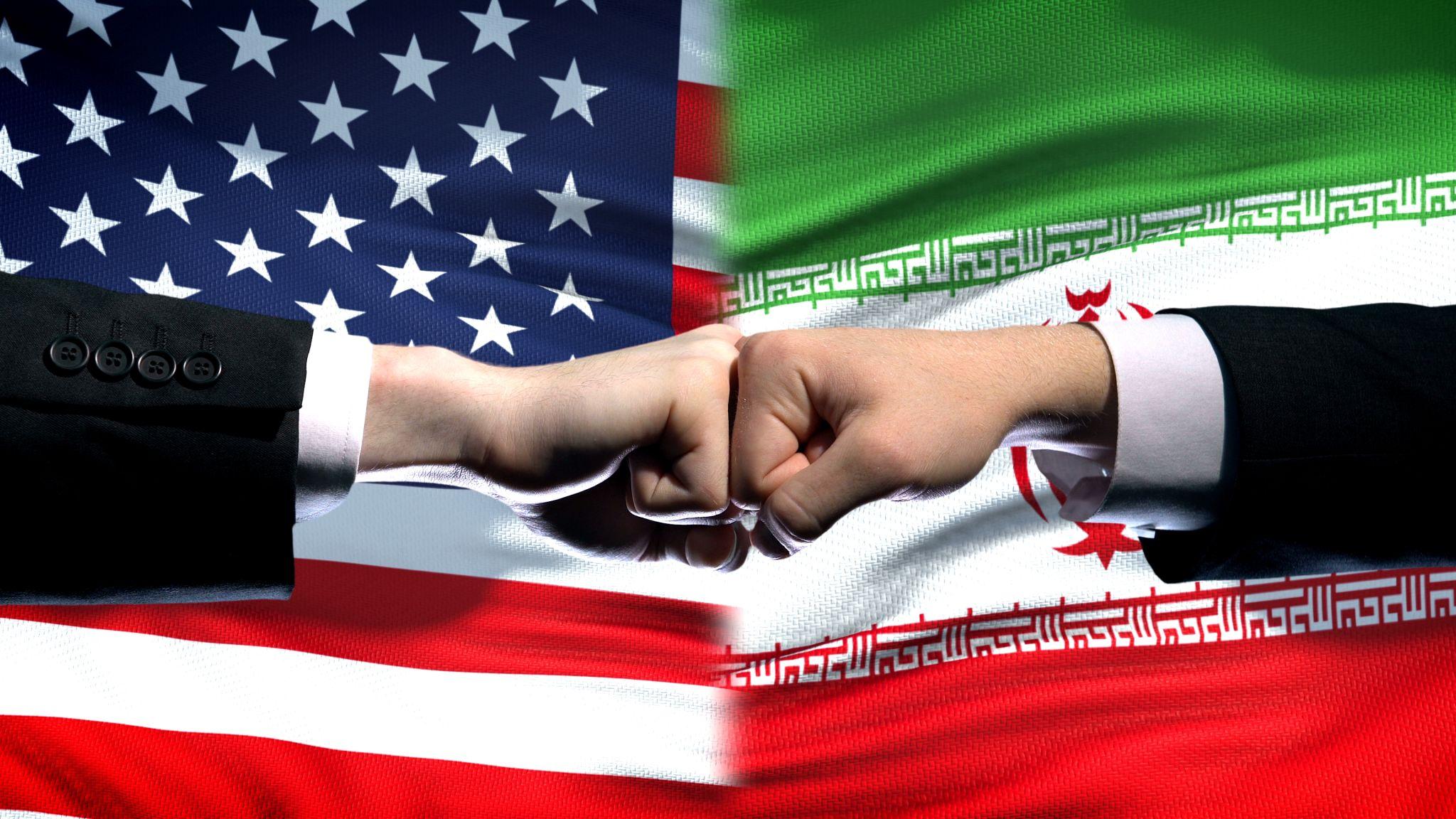

Pakyong, April 8 : In what could mark a turning point in one of the most volatile standoffs in recent memory, Iran and the United States have agreed to a two-week ceasefire — opening the door to direct negotiations scheduled to begin this Friday in Islamabad, Pakistan.
The agreement gives both sides a critical window to step back from the brink and explore whether a durable peace is within reach.
Iran’s Supreme National Security Council officially confirmed the pause in hostilities, being careful to frame it as a temporary measure rather than a resolution. Simultaneously, Tehran released a comprehensive 10-point proposal that its leadership hopes will form the foundation for a permanent end to the conflict.
On the American side, President Donald Trump announced he was suspending planned strikes for the same two-week period — though he was explicit that the continuation of any deal hinges on Iran fully reopening the Strait of Hormuz, safely and without delay.
Trump described the arrangement as a “double-sided ceasefire” — a structured pause designed to create genuine space for talks rather than simply delay further escalation. He credited conversations with Pakistan’s Prime Minister Shehbaz Sharif and Army Chief General Asim Munir for helping bring both parties to the negotiating table, and characterized Iran’s 10-point framework as a “workable basis” for moving forward. According to Trump, most of the major sticking points between Washington and Tehran have already been addressed in preliminary exchanges.
What Iran Is Proposing: The 10-Point Roadmap
Iran’s state media and senior leadership have publicly outlined the full terms of Tehran’s peace framework. Here is what it contains:
1. A complete halt to all fighting in Iraq, Lebanon, and Yemen.
2. A permanent and unconditional end to the war on Iran, with no expiration date.
3. A total cessation of hostilities across the entire region.
4. The immediate reopening of the Strait of Hormuz to international shipping.
5. New protocols and formal guarantees to ensure safe passage through the waterway on an ongoing basis.
6. Full compensation paid to Iran to cover reconstruction costs resulting from the conflict.
7. The complete lifting of all sanctions currently imposed on Iran.
8. The release of all Iranian funds and assets frozen by the United States.
9. Iran’s binding commitment to never develop or acquire nuclear weapons.
10. Automatic activation of the ceasefire across all fronts upon acceptance of the above terms.
Tehran: This Is Strategy, Not Surrender
Iran’s Foreign Minister Abbas Araghchi confirmed that shipping through the Strait of Hormuz will be permitted during the negotiation period, though movement will be coordinated with Iranian forces and subject to certain technical conditions. Senior officials in Tehran were quick to push back against any characterization of the proposal as capitulation — framing it instead as a calculated diplomatic initiative aimed at ending the broader regional conflict while preserving Iran’s core national interests.
Why the Strait of Hormuz Matters
The Strait of Hormuz is one of the most strategically critical waterways on the planet, responsible for a significant share of the world’s daily oil supply. Its full reopening would have immediate implications for global energy markets and supply chain stability — making it a central issue not just for Washington and Tehran, but for governments and businesses far beyond the region.
What Comes Next
With the ceasefire now in effect and negotiations set to begin in Islamabad, the next two weeks will be defining. Both sides have made their positions public — the question now is whether the momentum from these early steps can be sustained long enough to produce a lasting framework.
This story is developing. Check back for updates as the Islamabad talks unfold.
ABOUT THE AUTHOR